
Bird Flu: Information for poultry owners
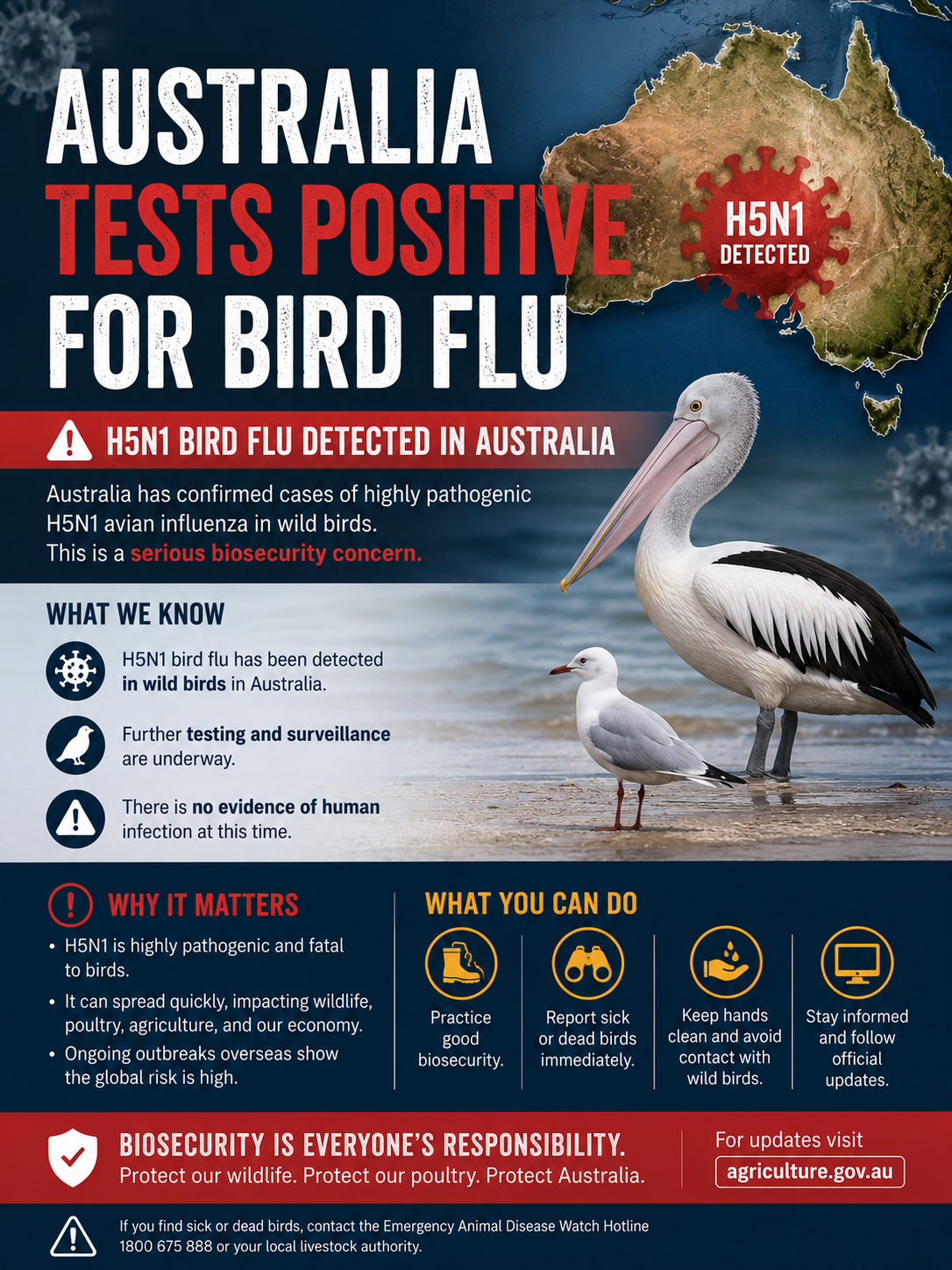
Bird Flu in Australia: What Poultry Owners Need to Know
Bird flu has now become a serious Australian biosecurity issue. On 20 June 2026, the Australian Government confirmed H5 high pathogenicity avian influenza in a brown skua in Western Australia — the first detection of this globally significant strain in Australia.

Why This Matters
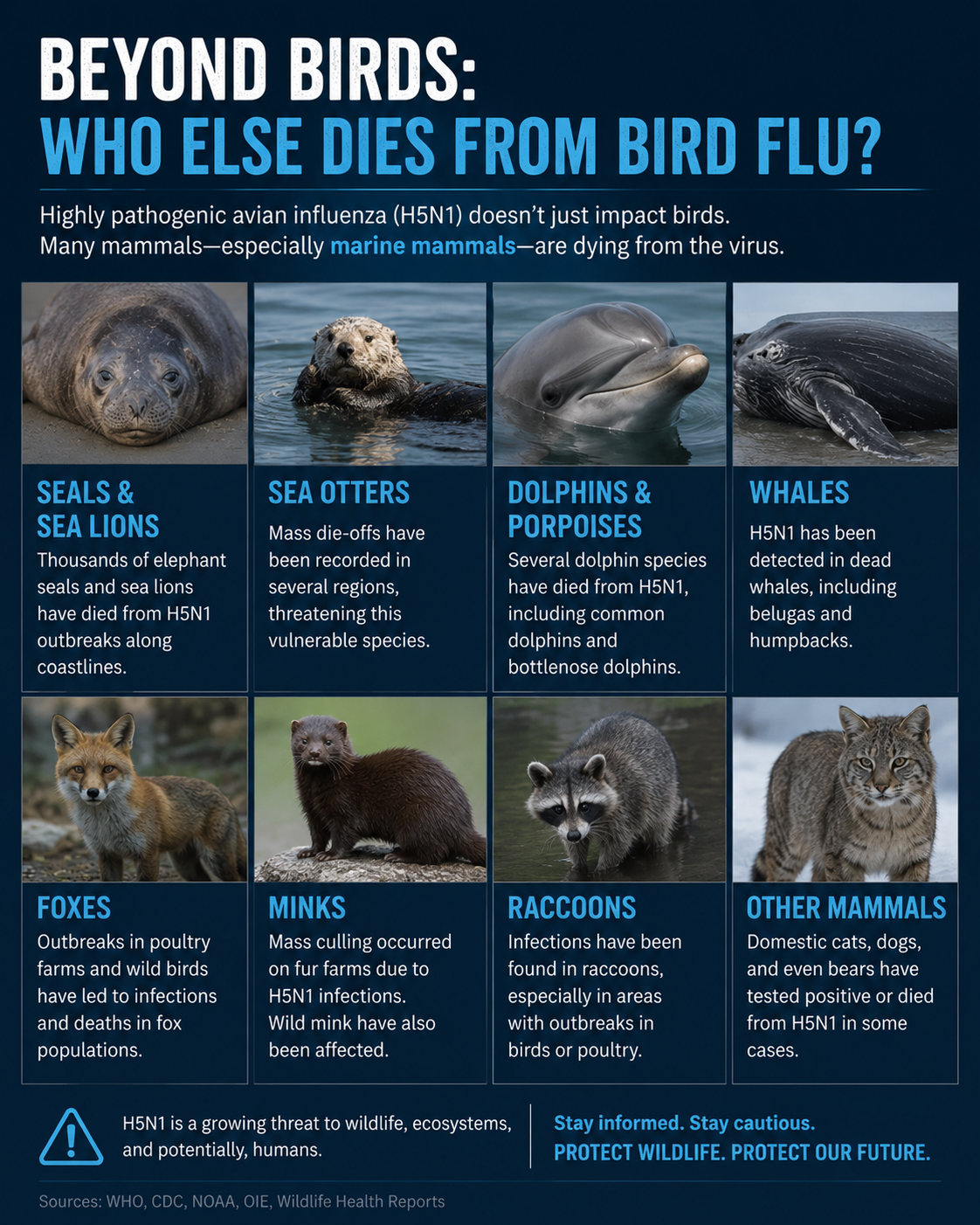
The current H5 bird flu strain has caused major losses overseas, affecting poultry, wild birds and mammals. It has killed millions of birds globally and has also spread into species such as seals, sea lions, foxes, cats, dogs, dolphins, polar bears and dairy cattle.
One of the most serious recent events was on Australia’s remote Heard Island, where bird flu was linked to the deaths of about 13,000 southern elephant seal pups.
Animals That Can Be Affected
- Chickens
- Ducks and geese
- Turkeys
- Quail
- Pet birds and aviary birds
- Wild seabirds and waterbirds
- Some mammals, including seals, sea lions, foxes and cats
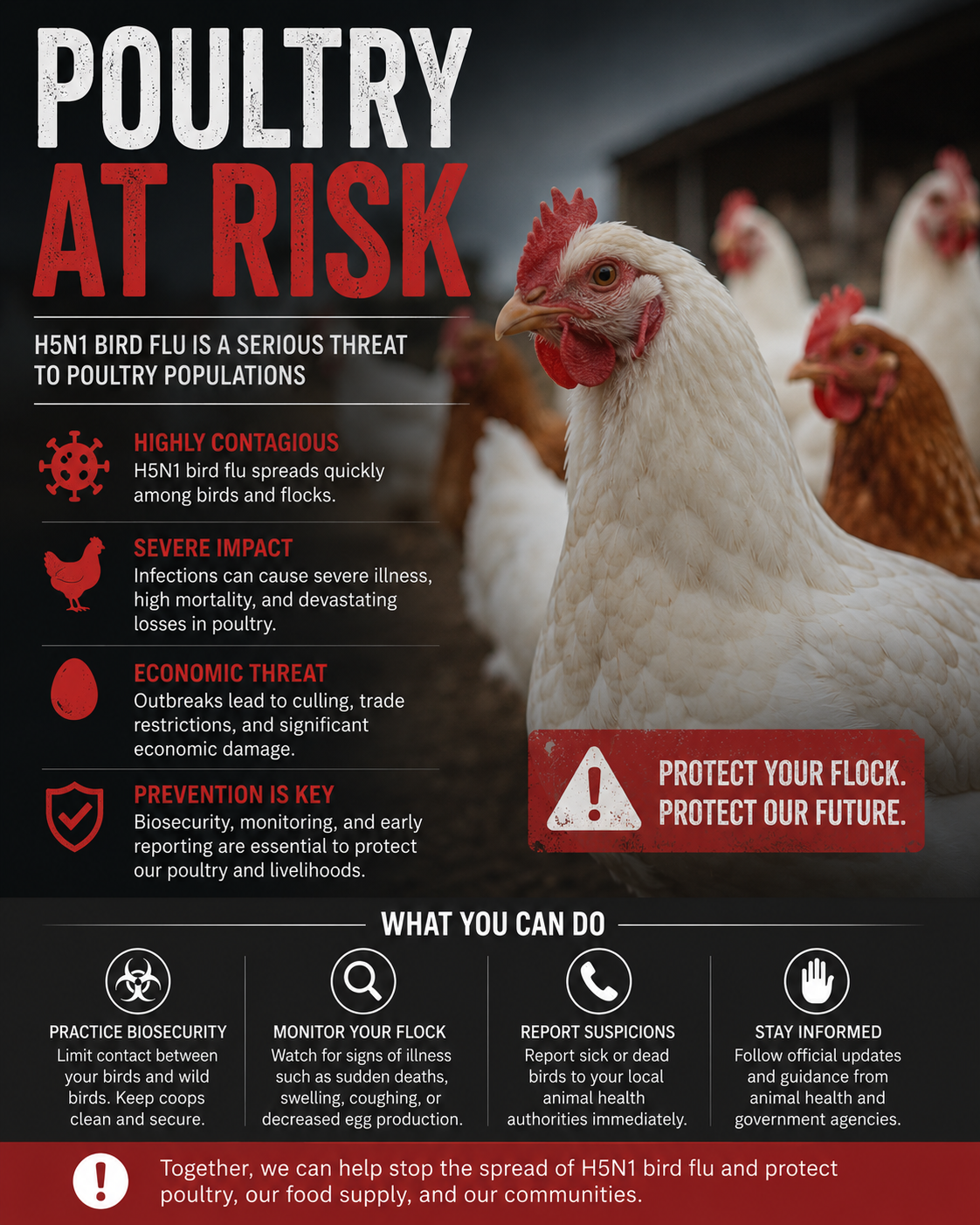
Signs of Bird Flu in Poultry
- Sudden death
- Drop in egg production
- Swollen head, comb or wattles
- Breathing difficulty
- Lethargy or loss of appetite
- Diarrhoea
- Tremors or lack of coordination
- Purple or blue discolouration of combs and wattles
How to Protect Your Birds
Good biosecurity is the best defence. Poultry owners should:
- Keep feed and water away from wild birds.
- Prevent poultry from mixing with wild ducks, geese and seabirds.
- Quarantine new birds before introducing them to your flock.
- Clean and disinfect feeders, drinkers, cages and footwear.
- Limit visitors to poultry areas.
- Check birds daily for unusual illness or sudden deaths.
What to Do If You Suspect Bird Flu
If you see unusual sickness or sudden deaths in poultry or wild birds, do not handle sick or dead birds unless necessary. Isolate affected birds where possible and report the issue immediately.
Emergency Animal Disease Watch Hotline: 1800 675 888
Useful Links
- Australian Government bird flu information
- World Organisation for Animal Health: Avian influenza
- ABC: H5 bird flu confirmed in Australia
Bottom line: Bird flu is no longer just an overseas poultry problem. With H5 now detected in Australia, every poultry keeper — from commercial producers to backyard chicken owners — has a role in protecting birds through good biosecurity and early reporting.
No posts found
Submit