
Difference between mutton, lamb and hogget
26/03/2024
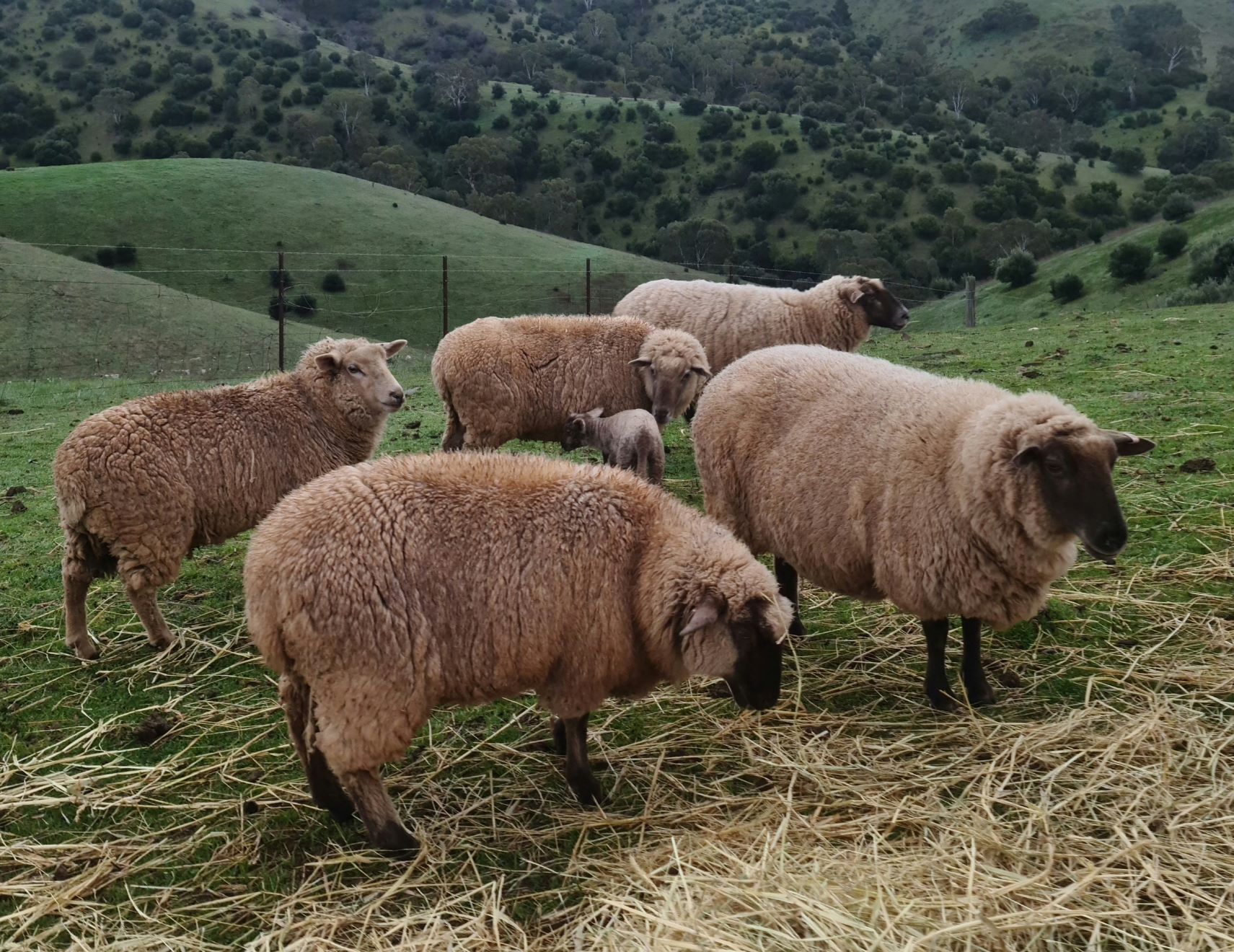
The differences between mutton, lamb, and hogget primarily revolve around the age of the sheep when the meat is harvested, which affects the flavor, texture, and culinary uses of each type of meat:
- Lamb:
- Lamb is meat from young sheep that are typically less than 1 year old.
- It is known for its tender texture, mild flavor, and pale pink color.
- Lamb is versatile and well-suited for quick-cooking methods such as grilling, roasting, and sautéing.
- It is popular in a wide range of cuisines and dishes, including kebabs, stews, chops, and curries.
- Hogget:
- Hogget refers to meat from sheep that are between 1 and 2 years old.
- It is more mature than lamb but not as old as mutton, resulting in a balance between tenderness and flavor.
- Hogget meat has a slightly stronger flavor and firmer texture compared to lamb, with a deeper pink color.
- It is well-suited for slow-cooking methods such as braising, stewing, and roasting, where the longer cooking time helps tenderize the meat.
- Mutton:
- Mutton is meat from fully mature sheep that are usually over 2 years old.
- It has a rich, robust flavor and firmer texture compared to lamb and hogget, due to the increased age of the animal.
- Mutton meat is darker in color and may have more visible fat compared to lamb and hogget.
- It is best suited for slow-cooking methods that allow the meat to tenderize and develop its full flavor, such as braising, roasting, and stewing.
- Mutton is commonly used in traditional dishes around the world and is prized for its depth of flavor and hearty texture.
In summary, while lamb is harvested from young sheep and prized for its tenderness and mild flavor, hogget and mutton offer more complexity and depth of flavor as the sheep age, with hogget being an intermediate option between lamb and mutton in terms of flavor and texture. Each type of meat has its own unique characteristics and is suited to different cooking methods and culinary applications.
Comments
No posts found
Submit